


El Resumen de Confianza Digital es una visión general seleccionada de las principales noticias de ciberseguridad de la semana. Esto es lo que necesita saber esta semana.


Gartner predice que Web3 impulsará la adopción de la identidad descentralizada
Cualquier innovación importante en redes o informática da paso a un nuevo ecosistema de tecnologías y prácticas de gestión de identidades, y estos ecosistemas suelen entrar en conflicto. Según Gartner, Web3 y su enfoque descentralizado de la identidad podrían mejorar la eficiencia, privacidad y seguridad de nuestros sistemas.
At the Gartner Identity & Access Management Summit, a Gartner VP Analyst posited that in Web3, identity wallets will take the place of internet browsers as a point of entry into the web. The challenges are two-fold — achieving a standardized universal wallet and creating interoperability between Web2 and Web3 protocols.
To see how decentralized identity may be the future, SDxCentral has the rundown.

El código fuente de Twitter se filtra en GitHub
Según una solicitud de retirada de derechos de autor (Digital Millennium Copyright Act Takedown) presentada el sábado, una parte del código fuente propietario de Twitter está disponible públicamente en GitHub desde el 3 de enero, es decir, casi tres meses enteros.
While it’s unclear whether the leak poses risks for Twitter users, the breach indicates continued volatility within the company. However, Twitter is hardly the only big name to suffer a source code leak in recent memory. Samsung, Uber, and others fell victim to compromised source code last year.
While many instances involve malicious actors, others happen simply due to the complexity of working with git, CI/CD, and a sprawling number of repositories. DarkReading gives you the complete ins and outs of source code incidents, so you can protect yours.

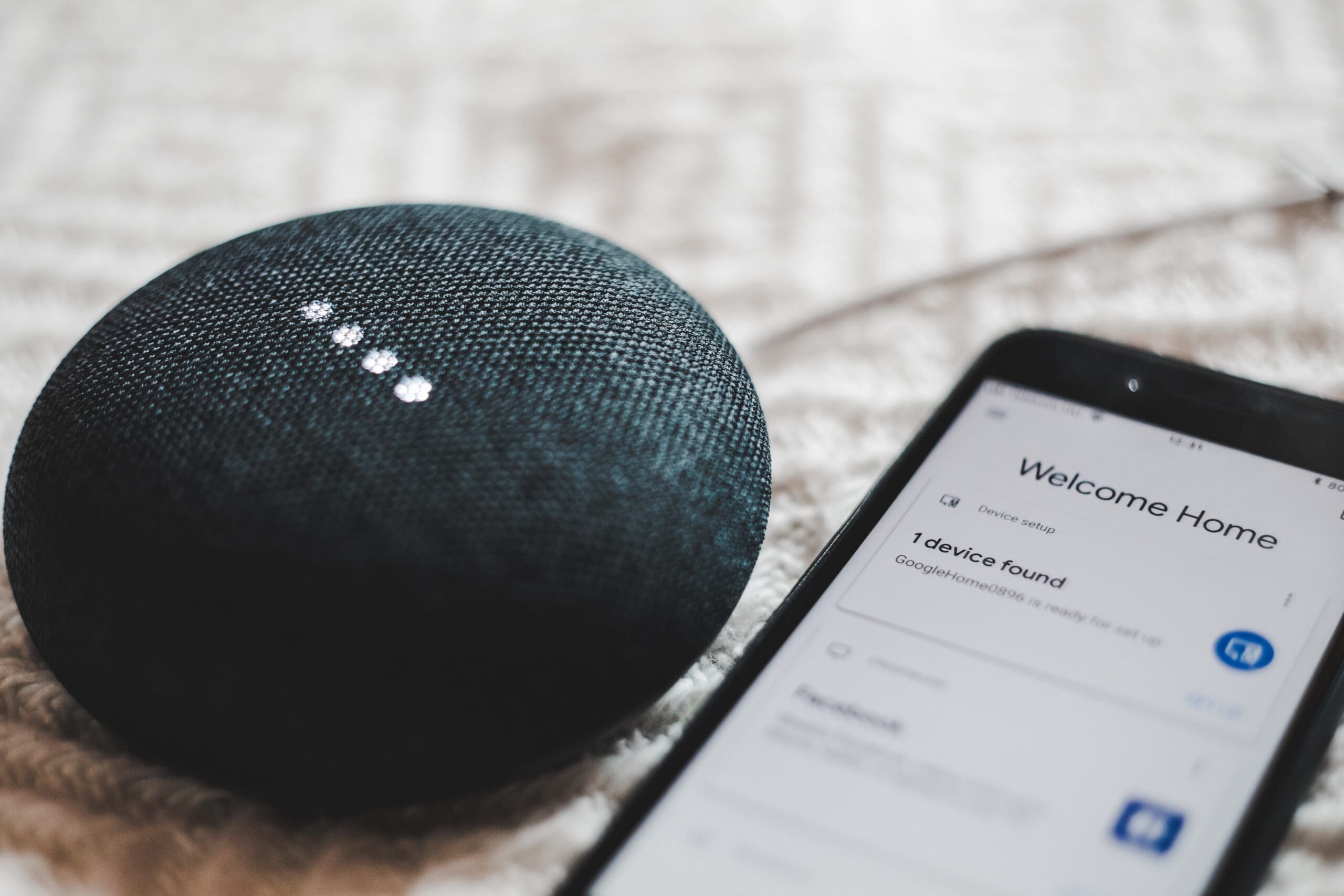

A la luz de la Norma Matter, Wemo se replantea su estrategia para el hogar inteligente
Wemo, Belkin’s smart home company, has paused the development of Matter-supported smart home devices. While Wemo has designed and updated a few products to use Thread, the primary wireless protocol beneath the Matter standard, these products will only work with Apple HomeKit. This skirts the Matter standard’s promise of universal smart home platform compatibility.
Belkin/Wemo suelen diseñar productos que se adaptan a las especificaciones de seguridad más rígidas de Apple, pero esto eleva su precio en comparación con los dispositivos menos seguros de oferta de IoT . Esto puede indicar lo difícil que es posicionar la seguridad como elemento diferenciador del producto.
While other big names like Samsung, Google, and Amazon are forging partnerships for special onboardings between their ecosystems, Apple hasn’t been so eager to play. It just goes to show how difficult a universal standard is to implement. For all of the IoT drama, Verge has the scoop.

Forrester opina sobre la Estrategia Nacional de Ciberseguridad de la Casa Blanca
Earlier this month, the White House announced the Biden administration’s National Cybersecurity Strategy. The strategy identifies five key pillars that enable a cyber-secure future, including the modernization of critical infrastructure, taking the offensive against threat actors, and forging international partnerships, among others.
For the Forbes Tech Council, Forrester broke down each pillar and the strategic objectives within them to parse actionable insights about what these initiatives will mean for enterprises and how security leaders can consider the strategy against their own goals.



Google pretende reducir el ciclo de vida de los certificados TLS en más de un 75%.
In its “Moving Forward, Together” roadmap, Google announced its intention to reduce the lifecycle for public TLS certificates from 398 days to 90 days. For many organizations, the process of managing and renewing certificates is tedious and time-consuming already. Increasing the certificate maintenance burden by 4x would spell disaster.
Google podría realizar este cambio como una actualización de política o como una propuesta de votación en el foro CA/Browser, pero no es necesario. Google no necesita aprobación para actualizar el programa raíz de Chrome, y Chrome tiene tanta cuota de mercado que todas las autoridades de certificación públicas comerciales prácticamente tendrían que adaptarse a él.
Google didn’t specify a timeline for this change, but DarkReading guesstimates the end of 2024. As the full piece indicates, there’s plenty of time to adapt but not a second to waste.
Suscríbase a The Source
Stay secure with Keyfactor's monthly newsletter, packed with expert insights and practical steps for quantum-readiness.
Continuar leyendo

Reflexiones sobre RSA 2023: El advenimiento de la IA, los cuatro tipos de perfiles de computación cuántica y más
Leer más
Resumen de Confianza Digital: Noticias imprescindibles de esta semana (31 de octubre - 4 de noviembre).
Leer más