Post-Quantum Made Fun: Un enfoque de cómic a las transiciones criptográficas

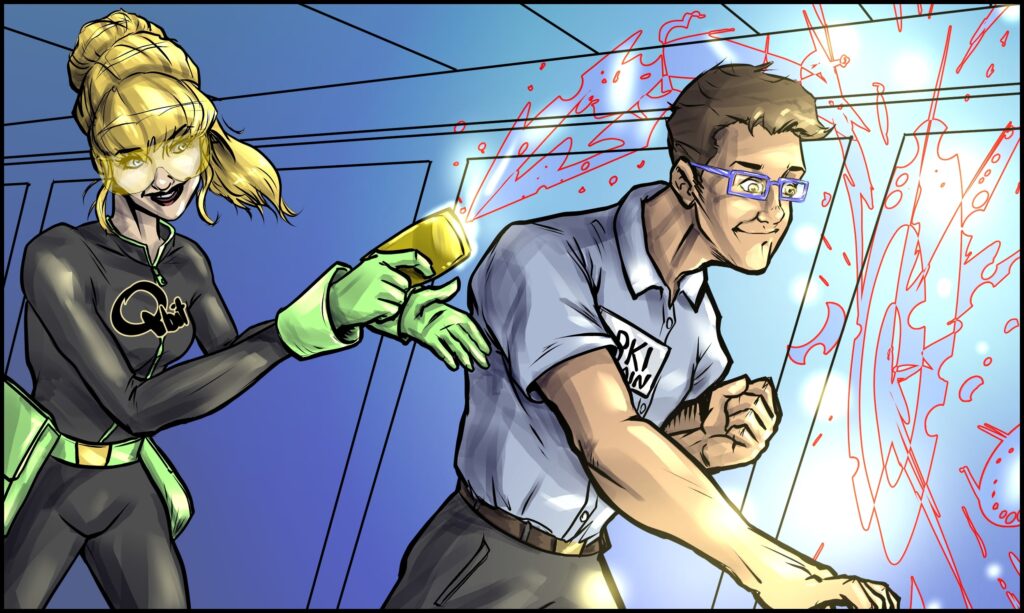



La era post-cuántica se acerca más rápido de lo esperado, y el calendario de transición es más ajustado de lo que muchos creen. Hay mucho en juego, y retrasar el cambio a una seguridad resistente a la cuántica conlleva graves riesgos.
Pero seamos sinceros: migrar su PKI y su infraestructura digital para resistir las amenazas cuánticas parece abrumador. Es complejo, lleva tiempo y es fácil posponerlo. Lo entendemos.
Still, it’s not a matter of if but when.
So what if there was a way to make the transition easier – and even a little exciting? It might sound unlikely, but that’s exactly what the Keyfactor team is doing. We hosted a live comic drawing and storytelling webinar, where we broke down PQC concepts and transition strategies in a way that’s easy to understand, engaging, and actionable.
47 días: La realidad de los certificados que caducan
Muchas organizaciones tratan la PKI como un sistema de "configúralo y olvídate", pero ese enfoque no se sostiene a medida que crecen los sistemas y cambia el panorama de la seguridad. En palabras de Chris Hickman, Director de Seguridad de Keyfactor , "PKI suele construirse en el vacío para un caso de uso concreto". Esto significa que a menudo no está diseñada para responder a las necesidades cambiantes de las infraestructuras modernas.
If keeping up with 300-day certificate expirations already feels like a challenge, brace yourself: by 2029, certificate lifespans could drop to just 47 days. This isn’t a hypothetical. Leading browsers and certificate authorities have already voted to make it happen.
¿Por qué este cambio? Las vidas más cortas reducen la ventana de oportunidad para los atacantes, lo que es estupendo para la seguridad, pero una pesadilla para la gestión manual. Lo que solía ser una tarea de una vez al año pronto podría convertirse en una lucha diaria. Con el aumento de las cargas de trabajo efímeras, como las aplicaciones en la nube, los contenedores y los dispositivos IoT , la gestión de PKI no hace más que complicarse.
Sin una estrategia sólida (y sin automatización), no tendrá más remedio que ponerse al día, lo que aumentará el riesgo de interrupciones, lagunas de seguridad y fallos en el cumplimiento de la normativa.
Keeping up requires a shift in mindset, as the PKI Admin discovers in our latest comic book adventure, The Race Against Quantum Time. PKI can no longer be a one-time setup; you have to manage and adapt it continuously as your tech infrastructure and security needs change.

La creciente complejidad de las transiciones criptográficas
Cryptographic transitions aren’t as simple as a software update. Today’s cryptography is fragile, and moving from one algorithm to another takes careful planning.
The shift to post-quantum cryptography adds another layer of complexity. Once quantum computers can run Shor’s algorithm, they’ll break RSA and ECC, making existing cryptographic infrastructures obsolete.
Para mantenerse seguro, necesitará algo más que nuevos algoritmos.
La transición requiere módulos de seguridad hardware (HSM) actualizados, nuevos componentes de raíces de confianza y una arquitectura PKI reestructurada. Sin una estrategia clara, la gestión de este cambio puede resultar abrumadora y poner en peligro los sistemas.
For most organizations, actively managing encryption will be a big change. This is because they’ve been treating PKI as just a compliance checkbox instead of a proactive security measure. But with the rise of new threats and the shift to quantum readiness, it’s no longer enough to just check off a box.
Por ejemplo, la visibilidad de sus activos criptográficos será crucial. Sin ella, no puedes estar seguro de que tu cifrado está haciendo lo que se supone que debe hacer. Como dijo Hickman, " No puedes tener un resultado exitoso sin un análisis completo y un descubrimiento criptográfico dentro de tu organización."
Por qué la transición ahora
Bueno, por dos razones: tiempo y crecimiento.
La cronología cuántica es más ajustada de lo que parece
In February 2025, Microsoft launched Majorana 1, the first Quantum Processing Unit. So if you think it would take years for quantum computers to be fully developed, think again.
Quantum computing is expected to make many common cryptography algorithms insecure in the next few years. That’s why NIST has announced that asymmetric encryption algorithms will be deprecated and disallowed between 2030-2035.
Por tanto, sólo le queda una opción: iniciar ahora la migración a PQC o arriesgarse a no cumplir el plazo.
El reto a gran escala
Ampliar la seguridad PKI puede ser difícil. Requiere una gestión y unas actualizaciones coherentes en muchos dispositivos y puntos finales. Como los sistemas están interconectados, una sola vulnerabilidad puede afectar a toda la red.
Now, transitioning a scaled PKI to PQC brings even bigger challenges and takes more time. Think about how many devices and systems need updates with new cryptographic algorithms—experts estimate up to 20 billion globally. The complexity grows as you ensure backward compatibility, manage the migration without disrupting operations, and address any vulnerabilities in the current infrastructure that might surface during the transition.
Por eso es importante empezar ahora, antes de que sea demasiado tarde.
¿Qué debe hacer?
No hay mejor forma de mitigar estos retos que aplicar las mejores prácticas de PKI y seguridad que pueden ayudarle a minimizar los riesgos de vulnerabilidades de seguridad, ineficiencias operativas e incumplimiento. He aquí algunas estrategias que debería probar.
Prioritize cryptographic discovery: It’s been said “you can’t protect what you don’t know about.” Therefore, you must prioritize identifying and cataloging all cryptographic assets within your organization. A standard cryptographic inventory is critical to planning your PQC migration. You might want to work with a cross-functional team (PKI, security, development) to ensure seamless migration.
Develop a crypto-agile strategy: Being crypto-agile means building a flexible security strategy and infrastructure that can quickly adjust to new threats and keep your assets secure. This includes making sure your team is well-equipped to quickly respond to industry shifts. Keep your goals clear, but be ready to pivot when necessary. Don’t forget to engage your board-level executives early. Get their buy-in and secure funding for your PQC initiatives so you can make the transition smoothly.
Industry collaboration is essential: No entity can tackle this problem alone because of the sheer number of moving parts it entails. Collaborate with other industry leaders and PKI SaaS providers like Keyfactor to develop PQC transition strategies tailored to your business’s tech infrastructure.
Próximos pasos: Recursos para simplificar los conceptos de PQC
Las amenazas cuánticas no esperan: su transición tampoco debería hacerlo.
Crypto-agility helps ease the PQC transition, but it’s not enough on its own. The PQC transition process isn’t a one-time shift; it requires collaboration between PKI teams, security experts, and developers to make updates throughout your entire environment. Tech concepts are tricky to grasp, and PQC is a whole new ballgame.
That’s why we hosted this action-packed PQC comic webinar, for advice from the teams navigating the quantum future before it arrives. Watch it on demand! You’ll hear why visibility, strategic planning, and collaboration are key to PQC readiness. Plus, our talented comic artist brings these concepts to life live on stream! Check it out for a unique look into the future of quantum resilience and crypto-agility.
Ready to take the next step? Get a free demo of Keyfactor’s solutions today or explore PQC Lab. No matter which step you take next, Keyfactor is here to guide you through your quantum-readiness journey.
Suscríbase a The Source
Stay secure with Keyfactor's monthly newsletter, packed with expert insights and practical steps for quantum-readiness.
Continuar leyendo
Preparación para la era poscuántica de los proveedores de « Software »: ya se ha establecido el calendario
Leer más
Esta es la razón por la que lograr una seguridad preparada para la era cuántica es un arte y una ciencia
Leer más