Post-Quantum macht Spaß: Ein Comic-Ansatz für kryptografische Übergänge




Die Post-Quantum-Ära rückt schneller näher als erwartet, und der Zeitrahmen für den Übergang ist enger, als viele denken. Es steht viel auf dem Spiel, und eine Verzögerung der Umstellung auf quantenresistente Sicherheit ist mit ernsten Risiken verbunden.
Aber seien wir ehrlich: Die Migration Ihrer PKI und digitalen Infrastruktur zur Abwehr von Quanten-Bedrohungen fühlt sich überwältigend an. Sie ist komplex, zeitaufwändig und lässt sich leicht aufschieben. Wir haben es verstanden.
Still, it’s not a matter of if but when.
So what if there was a way to make the transition easier – and even a little exciting? It might sound unlikely, but that’s exactly what the Keyfactor team is doing. We hosted a live comic drawing and storytelling webinar, where we broke down PQC concepts and transition strategies in a way that’s easy to understand, engaging, and actionable.
47 Tage: Die Realität von ablaufenden Zertifikaten
Viele Unternehmen betrachten PKI als ein System, das man einrichten und dann vergessen kann, aber dieser Ansatz hält nicht stand, wenn die Systeme wachsen und sich die Sicherheitslandschaft verändert. Wie Chris Hickman, Chief Security Officer bei Keyfactor , es ausdrückt: "PKI wird in der Regel in einem Vakuum für einen bestimmten Anwendungsfall entwickelt." Das bedeutet, dass sie oft nicht für die sich entwickelnden Anforderungen moderner Infrastrukturen ausgelegt ist.
If keeping up with 300-day certificate expirations already feels like a challenge, brace yourself: by 2029, certificate lifespans could drop to just 47 days. This isn’t a hypothetical. Leading browsers and certificate authorities have already voted to make it happen.
Warum dieser Wandel? Kürzere Lebensspannen verringern das Zeitfenster für Angreifer - gut für die Sicherheit, aber ein Albtraum für die manuelle Verwaltung. Was früher eine einmalige Aufgabe pro Jahr war, könnte bald zu einer täglichen Herausforderung werden. Mit der Zunahme von kurzlebigen Workloads wie Cloud-Anwendungen, Containern und IoT wird die PKI-Verwaltung immer komplexer.
Ohne eine solide Strategie - und ohne Automatisierung - sind Sie aufgeschmissen und erhöhen das Risiko von Ausfällen, Sicherheitslücken und Konformitätsproblemen.
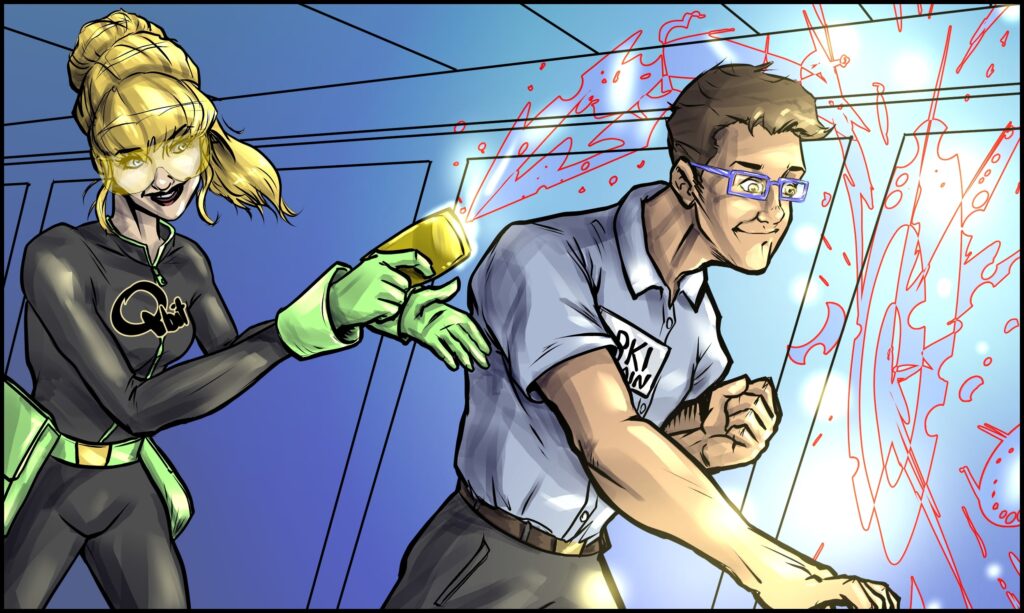
Keeping up requires a shift in mindset, as the PKI Admin discovers in our latest comic book adventure, The Race Against Quantum Time. PKI can no longer be a one-time setup; you have to manage and adapt it continuously as your tech infrastructure and security needs change.

Die zunehmende Komplexität der kryptographischen Übergänge
Cryptographic transitions aren’t as simple as a software update. Today’s cryptography is fragile, and moving from one algorithm to another takes careful planning.
The shift to post-quantum cryptography adds another layer of complexity. Once quantum computers can run Shor’s algorithm, they’ll break RSA and ECC, making existing cryptographic infrastructures obsolete.
Um sicher zu bleiben, brauchen Sie mehr als nur neue Algorithmen.
Die Umstellung erfordert aktualisierte hardware (HSMs), neue Roots-of-Trust-Komponenten und eine neu strukturierte PKI-Architektur. Ohne eine klare Strategie kann die Bewältigung dieser Umstellung schnell überfordernd werden und Ihre Systeme gefährden.
For most organizations, actively managing encryption will be a big change. This is because they’ve been treating PKI as just a compliance checkbox instead of a proactive security measure. But with the rise of new threats and the shift to quantum readiness, it’s no longer enough to just check off a box.
So wird zum Beispiel die Sichtbarkeit Ihrer kryptografischen Ressourcen entscheidend sein. Ohne sie können Sie nicht sicher sein, dass Ihre Verschlüsselung das tut, was sie tun soll. Wie Hickman es ausdrückt: "Ohne eine vollständige Analyse und kryptografische Entdeckung innerhalb Ihrer Organisation können Sie kein erfolgreiches Ergebnis erzielen."
Warum jetzt umsteigen?
Nun, aus zwei Gründen: Zeit und Wachstum.
Die Quantenzeitachse ist enger als es scheint
In February 2025, Microsoft launched Majorana 1, the first Quantum Processing Unit. So if you think it would take years for quantum computers to be fully developed, think again.
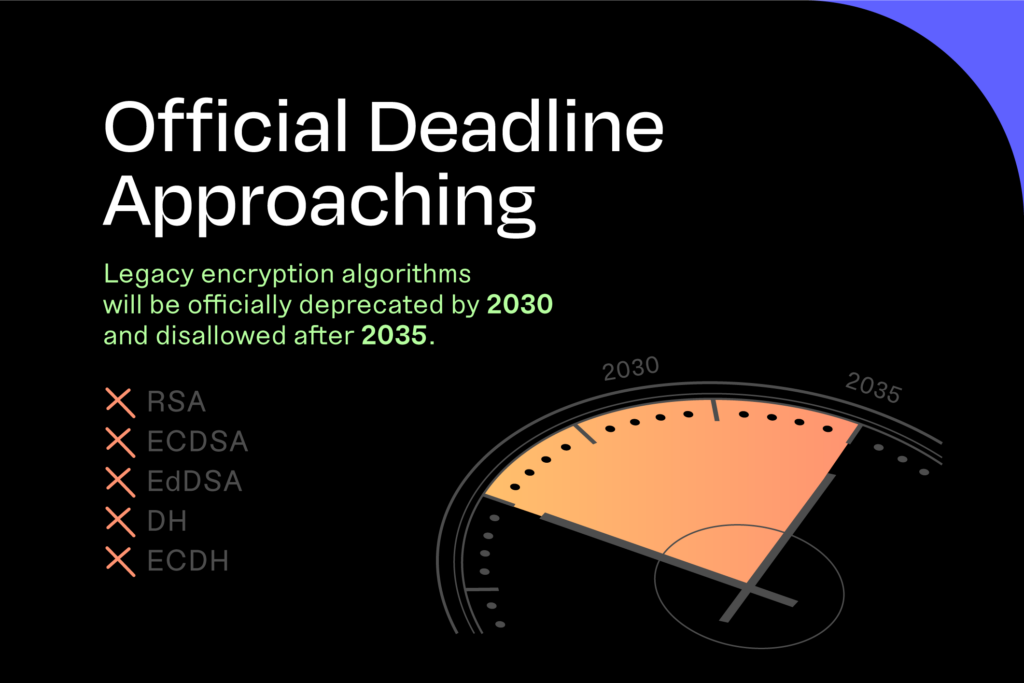
Quantum computing is expected to make many common cryptography algorithms insecure in the next few years. That’s why NIST has announced that asymmetric encryption algorithms will be deprecated and disallowed between 2030-2035.
Sie haben also nur eine Möglichkeit: Beginnen Sie jetzt mit der PQC-Umstellung oder riskieren Sie, die Frist zu verpassen.
Die Herausforderung im großen Maßstab
Die Skalierung der PKI-Sicherheit kann schwierig sein. Sie erfordert eine konsistente Verwaltung und Aktualisierung über viele Geräte und Endpunkte hinweg. Da die Systeme miteinander verbunden sind, kann sich eine einzige Schwachstelle auf das gesamte Netzwerk auswirken.
Now, transitioning a scaled PKI to PQC brings even bigger challenges and takes more time. Think about how many devices and systems need updates with new cryptographic algorithms—experts estimate up to 20 billion globally. The complexity grows as you ensure backward compatibility, manage the migration without disrupting operations, and address any vulnerabilities in the current infrastructure that might surface during the transition.
Deshalb ist es wichtig, jetzt damit anzufangen, bevor es zu spät ist.
Was sollten Sie tun?
Es gibt keinen besseren Weg, diese Herausforderungen zu bewältigen, als die Implementierung von PKI- und Sicherheits-Best-Practices, die Ihnen helfen, die Risiken von Sicherheitslücken, betrieblichen Ineffizienzen und Nichteinhaltung von Vorschriften zu minimieren. Hier sind einige Strategien, die Sie ausprobieren sollten.
Prioritize cryptographic discovery: It’s been said “you can’t protect what you don’t know about.” Therefore, you must prioritize identifying and cataloging all cryptographic assets within your organization. A standard cryptographic inventory is critical to planning your PQC migration. You might want to work with a cross-functional team (PKI, security, development) to ensure seamless migration.
Develop a crypto-agile strategy: Being crypto-agile means building a flexible security strategy and infrastructure that can quickly adjust to new threats and keep your assets secure. This includes making sure your team is well-equipped to quickly respond to industry shifts. Keep your goals clear, but be ready to pivot when necessary. Don’t forget to engage your board-level executives early. Get their buy-in and secure funding for your PQC initiatives so you can make the transition smoothly.
Industry collaboration is essential: No entity can tackle this problem alone because of the sheer number of moving parts it entails. Collaborate with other industry leaders and PKI SaaS providers like Keyfactor to develop PQC transition strategies tailored to your business’s tech infrastructure.
Nächste Schritte: Ressourcen zur Vereinfachung von PQC-Konzepten
Quantenbedrohungen warten nicht - Ihr Übergang sollte es auch nicht.
Crypto-agility helps ease the PQC transition, but it’s not enough on its own. The PQC transition process isn’t a one-time shift; it requires collaboration between PKI teams, security experts, and developers to make updates throughout your entire environment. Tech concepts are tricky to grasp, and PQC is a whole new ballgame.
That’s why we hosted this action-packed PQC comic webinar, for advice from the teams navigating the quantum future before it arrives. Watch it on demand! You’ll hear why visibility, strategic planning, and collaboration are key to PQC readiness. Plus, our talented comic artist brings these concepts to life live on stream! Check it out for a unique look into the future of quantum resilience and crypto-agility.
Ready to take the next step? Get a free demo of Keyfactor’s solutions today or explore PQC Lab. No matter which step you take next, Keyfactor is here to guide you through your quantum-readiness journey.
Die Quelle abonnieren
Stay secure with Keyfactor's monthly newsletter, packed with expert insights and practical steps for quantum-readiness.