


Der Digital Trust Digest bietet einen Überblick über die wichtigsten Nachrichten der Woche im Bereich Cybersicherheit. Hier ist, was Sie diese Woche wissen müssen.


Gartner prognostiziert, dass Web3 die Einführung dezentraler Identitäten vorantreiben wird
Jede größere Innovation im Netzwerk- oder Computerbereich bringt ein neues Ökosystem von IAM-Technologien und -Praktiken mit sich - und diese Ökosysteme stoßen oft aufeinander. Laut Gartner könnte das Web3 und sein dezentraler Ansatz für die Identität die Effizienz, den Datenschutz und die Sicherheit unserer Systeme verbessern.
At the Gartner Identity & Access Management Summit, a Gartner VP Analyst posited that in Web3, identity wallets will take the place of internet browsers as a point of entry into the web. The challenges are two-fold — achieving a standardized universal wallet and creating interoperability between Web2 and Web3 protocols.
To see how decentralized identity may be the future, SDxCentral has the rundown.

Twitter-Quellcode auf GitHub geleakt
Laut einem am Samstag eingereichten Takedown-Antrag nach dem Digital Millennium Copyright Act ist ein Teil des geschützten Quellcodes von Twitter seit dem 3. Januar - also fast drei Monate lang - auf GitHub öffentlich zugänglich.
While it’s unclear whether the leak poses risks for Twitter users, the breach indicates continued volatility within the company. However, Twitter is hardly the only big name to suffer a source code leak in recent memory. Samsung, Uber, and others fell victim to compromised source code last year.
While many instances involve malicious actors, others happen simply due to the complexity of working with git, CI/CD, and a sprawling number of repositories. DarkReading gives you the complete ins and outs of source code incidents, so you can protect yours.

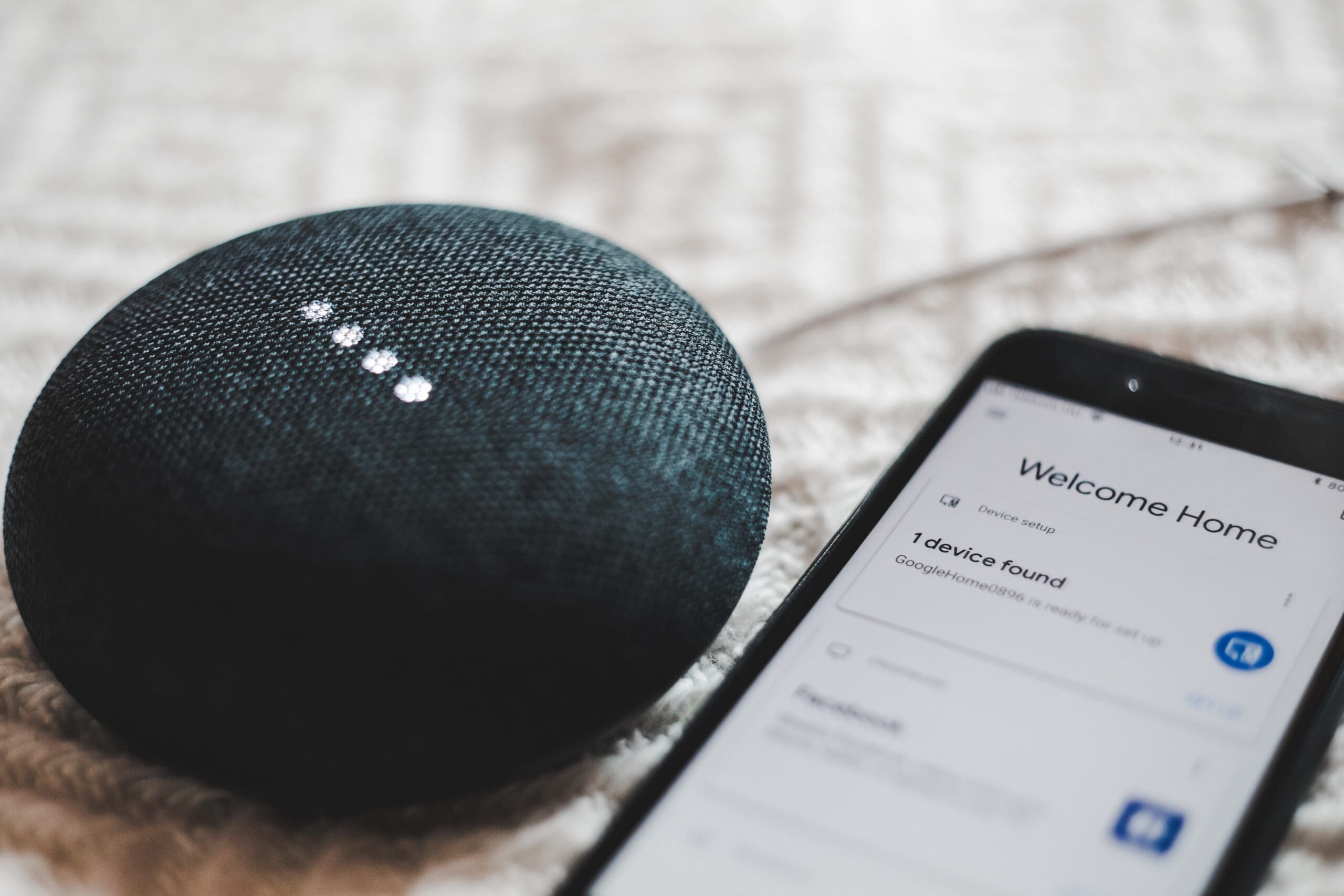

Vor dem Hintergrund des Matter-Standards überdenkt Wemo seine Smart-Home-Strategie
Wemo, Belkin’s smart home company, has paused the development of Matter-supported smart home devices. While Wemo has designed and updated a few products to use Thread, the primary wireless protocol beneath the Matter standard, these products will only work with Apple HomeKit. This skirts the Matter standard’s promise of universal smart home platform compatibility.
Belkin/Wemo entwickeln ihre Produkte in der Regel so, dass sie die strengeren Sicherheitsspezifikationen von Apple erfüllen, was jedoch ihren Preis im Vergleich zu weniger sicheren Geräten aus der Schnäppchenkiste IoT in die Höhe treibt. Dies könnte ein Hinweis darauf sein, wie schwierig es ist, Sicherheit als Produktunterscheidungsmerkmal zu positionieren.
While other big names like Samsung, Google, and Amazon are forging partnerships for special onboardings between their ecosystems, Apple hasn’t been so eager to play. It just goes to show how difficult a universal standard is to implement. For all of the IoT drama, Verge has the scoop.

Forrester nimmt Stellung zur nationalen Cybersicherheitsstrategie des Weißen Hauses
Earlier this month, the White House announced the Biden administration’s National Cybersecurity Strategy. The strategy identifies five key pillars that enable a cyber-secure future, including the modernization of critical infrastructure, taking the offensive against threat actors, and forging international partnerships, among others.
For the Forbes Tech Council, Forrester broke down each pillar and the strategic objectives within them to parse actionable insights about what these initiatives will mean for enterprises and how security leaders can consider the strategy against their own goals.



Google beabsichtigt, den Lebenszyklus von TLS Zertifikaten um mehr als 75 % zu verkürzen
In its “Moving Forward, Together” roadmap, Google announced its intention to reduce the lifecycle for public TLS certificates from 398 days to 90 days. For many organizations, the process of managing and renewing certificates is tedious and time-consuming already. Increasing the certificate maintenance burden by 4x would spell disaster.
Google könnte diese Änderung in Form einer Richtlinienaktualisierung oder eines Abstimmungsvorschlags des CA/Browser-Forums vornehmen, aber das ist nicht nötig. Google braucht keine Genehmigung, um das Root-Programm von Chrome zu aktualisieren, und Chrome hat einen so großen Marktanteil, dass jede kommerzielle öffentliche Zertifizierungsstelle ihm praktisch entgegenkommen müsste.
Google didn’t specify a timeline for this change, but DarkReading guesstimates the end of 2024. As the full piece indicates, there’s plenty of time to adapt but not a second to waste.
Die Quelle abonnieren
Stay secure with Keyfactor's monthly newsletter, packed with expert insights and practical steps for quantum-readiness.