


2023 was an explosive year for cybersecurity. Talk of post-quantum cryptography heated up, with several algorithms now under consideration for standardization by NIST, IoT device usage – and with it, machine identities – continued to explode, creating a plethora of security challenges, AI became more widely available than ever before thanks to generative AI solutions, many organizations found themselves facing a security talent gap, and the list goes on.
2024 no será diferente. De hecho, veremos muchas de estas tendencias culminar en el nuevo año, y surgirán muchos más desafíos nuevos. Para saber más sobre qué esperar en 2024, nos reunimos con cuatro de los expertos en ciberseguridad de Keyfactor para escuchar sus predicciones. Esto es lo que aprendimos.
La criptografía postcuántica despegará

2024 será el año de la "preparación cuántica" para las organizaciones.
Puede que sea una afirmación audaz, pero creo que este será el año de la criptografía cuántica.
While the initial candidates for NIST PQC algorithms are expected to be finalized in early 2024, that marks the starting line for post-quantum algorithms, not the finish line. That’s a good thing because organizations will need to do significant testing and planning to adopt the new algorithms, as they are completely different from the current ones used in asymmetric cryptography.
En 2024, las organizaciones deben comenzar a planificar y probar la adopción de esos nuevos algoritmos, y deben empezar a realizar evaluaciones sobre cuán preparada estará toda la cadena de suministro de su organización. A partir de este momento, será imperativo que las evaluaciones de seguridad y las auditorías de proveedores comiencen a tener en cuenta la criptografía postcuántica.
– Chris Hickman, Director de Seguridad (CSO) en Keyfactor
La estandarización de protocolos por parte del NIST se materializará, lo que impulsará una aceleración en el desarrollo.
Keyfactor is tracking algorithm standardization closely and will be ready to support organizations as they make the transition to the new standards, including PKI and signing solutions that leverage PQC algorithms, shortly after they are finalized by NIST.
En particular, con FIPS 204 Dilithium/ML-DSA, no solo estamos trabajando en Software, sino también integrándonos con proveedores de HSM. Keyfactor será el primero en lanzar productos listos para producción y preparados para la computación cuántica una vez que el estándar FIPS 204/ML-DSA sea finalizado.
En general, a medida que los estándares sean finalmente publicados, 2024 presenciará una aceleración en el desarrollo entre los proveedores de productos y las organizaciones de estandarización, y será el año en que las soluciones de PKI y firma preparadas para la computación cuántica se implementarán en producción.
– Tomas Gustavsson, Director de PKI en Keyfactor
Un IoT en constante crecimiento presentará continuas preocupaciones de seguridad.
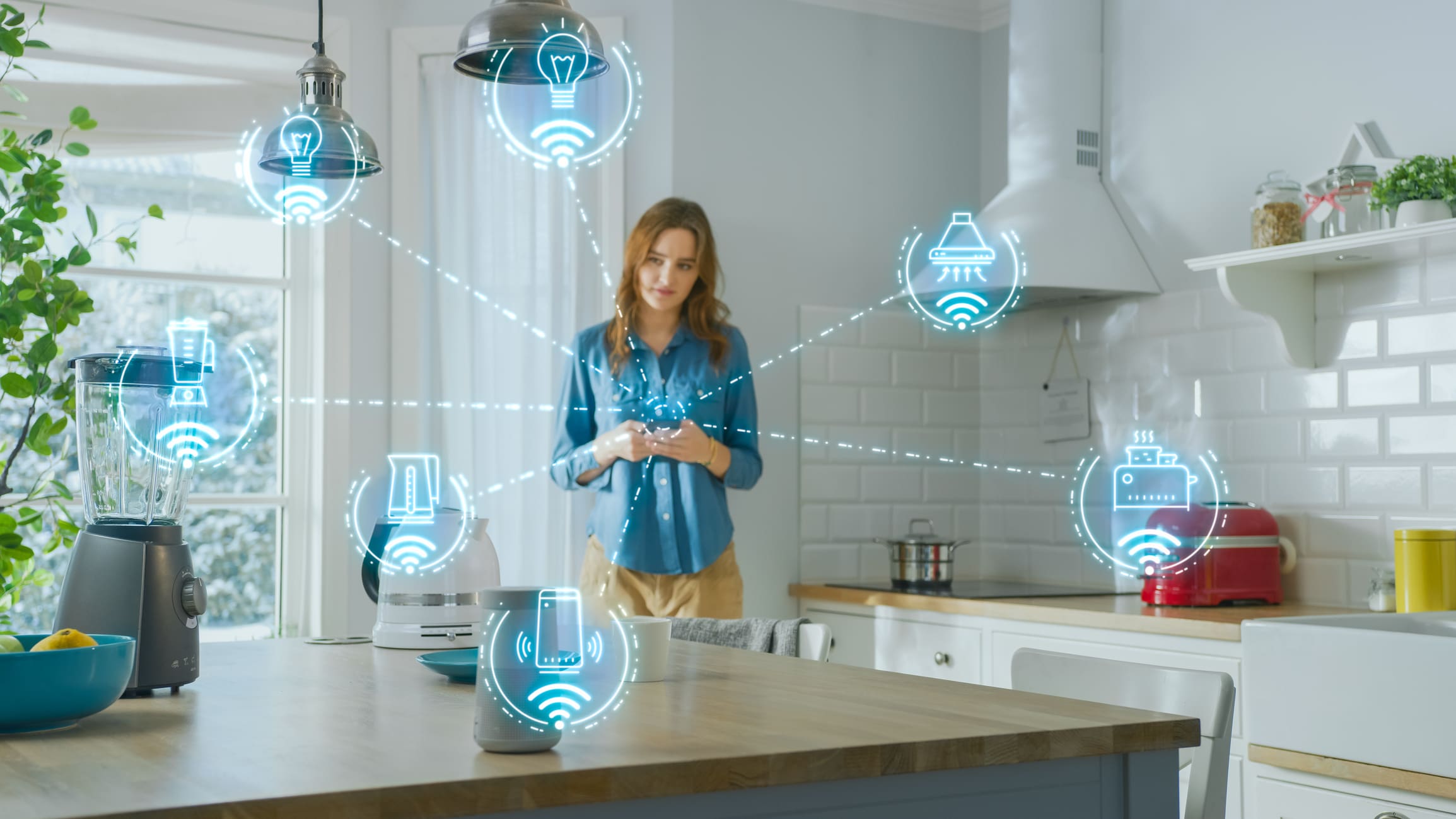
Las identidades de máquinas – y los desafíos de seguridad asociados – seguirán proliferando.
The number of machine identities will continue to proliferate in 2024. Many organizations are experiencing significant growth among IoT devices that require network connections. Often referred to as OT for IoT, this new wave of devices will continue to push the total number of connected devices and endpoints.
Needless to say, you cannot treat these devices with any less scrutiny and security than any other devices. Unfortunately, many of these devices do not include sophisticated protocols to automate the management of their identities, and therefore organizations will struggle to keep up with this growth unless they have a machine identity lifecycle management platform.
– Chris Hickman, Director de Seguridad (CSO) en Keyfactor
El riesgo de que los atacantes aprovechen el IoT en la ciberguerra se materializará.
Many device endpoints can be leveraged in attacks if not properly secured. For some of these smart consumer devices, companies that needed to cut costs during the design process may have removed some security features, so that’s definitely something everyone needs to keep an eye on.
Profundizando aún más en el ámbito de la seguridad del IoT, los fabricantes deberán tomarse en serio la exploración de la criptografía postcuántica para los dispositivos IoT de larga vida útil.
– Ellen Boehm, Vicepresidenta Ejecutiva de Estrategia y Operaciones de IoT en Keyfactor
Las regulaciones que antes parecían lejanas en el futuro se harán realidad en 2024.
The Biden administration’s “U.S. Cyber Trust Mark” labeling program, designed to help Americans more easily choose smart devices that are safer and less vulnerable to cyberattacks, is expected to launch in 2024.
This is definitely a step in the right direction because we acknowledge a gap in cybersecurity awareness, and we need to make consumers more aware of risks. Just like we as consumers expect a certain level of quality and safety from the products we buy, consumers have the same expectation of the security that is embedded inside the smart home tech and connected devices they choose to use. As with any new program, there will be iterations, but having this conversation is important so we can start to level up and drive more awareness on a national level for U.S. consumers.
– Ellen Boehm, Vicepresidenta Ejecutiva de Estrategia y Operaciones de IoT en Keyfactor
El impacto largamente esperado de la IA llegará, con sus aspectos positivos y negativos.
La IA comenzará a tener un impacto real en la criptografía.
Considero que la mayor ventaja que aporta la IA es la reducción del «trabajo de campo» general necesario para romper la criptografía. La IA también podría utilizarse para identificar eficazmente patrones en los datos o para reducir el «ruido» general que pueda estar presente al descifrar claves. Por ejemplo, la combinación de un ordenador cuántico suficientemente potente y la IA podría emplearse para reducir los posibles candidatos para ataques contra claves.
– Chris Hickman, Director de Seguridad (CSO) en Keyfactor
La IA desempeñará un papel importante en la seguridad del IoT, para bien y para mal.
La IA puede utilizarse para el desarrollo de código o el diseño de productos, impulsando la creación de productos IoT y el lanzamiento más eficiente de nuevos conceptos.
On the flip side, AI will make it so much easier to crack weak implementations of algorithms that there will be no other choice than to use secure elements or secure MCUs to run cryptographic algorithms and to use strong software implementations of these algorithms, such as Bouncy Castle for servers and HSMs and Trusted Objects’ TO-Protect for MCUs.
– Ellen Boehm, Vicepresidenta Ejecutiva de Estrategia y Operaciones de IoT en Keyfactor
El uso generalizado de la IA creará más oportunidades, a la par que planteará serias preguntas sobre aquello en lo que podemos confiar.
Like any disruptive technology, AI is a double-edged sword. AI has been around for a long time, the difference now is one word: availability. Any new technology is initially expensive, not widely available, and sometimes, it’s too complex for the average person. Generative AI and large language models were the accelerators that overcame these hurdles, making AI affordable, usable, and accessible to everyone over the last year. That’s where the problems come in.
Todavía no existe un estándar sobre cómo debe utilizarse la IA, a qué debe tener acceso y cómo prevenir su uso indebido. La IA puede ser un copiloto o asistente para los equipos de ciberseguridad, ayudándoles a trabajar de manera más eficiente y a comprender mejor la avalancha de alertas y advertencias con las que lidian a diario.
On the other hand, AI can be used to produce fraudulent images or videos, accelerate malware production, or even take DDoS attacks to the next level by enabling AI-powered bots to do the dirty work. One area where we’re most concerned is content and code authenticity. In a world where AI is accessible to all, how do you know if an image or video was produced by a human or AI, how do you know if it’s been augmented, how do you know when and where it was taken? All of these are important questions, particularly in the face of recent conflicts, which have raised questions about authenticity, and show the dangers of potential misinformation or even disinformation via content that spreads like wildfire on social media. Digital signatures are one of the best current methods to prove the origin and authenticity of images and videos.
Lo mismo se aplica al desarrollo de Software. Si los equipos aumentan el desarrollo con IA, ¿cómo saber el origen de su código? ¿Cómo saber si ha sido manipulado o alterado? De nuevo, las firmas digitales son una de las mejores herramientas actuales de las que disponemos para probar la integridad y autenticidad del código.
All of these – whether it’s images, videos, or software – are intellectual property that must be protected. We now live in a world where we can’t immediately trust what we see and hear: Everything must be verified. Authenticity is the key to establishing trust in an otherwise untrusting world.
– Ryan Sanders, Director Sénior de Marketing de Producto y Clientes en Keyfactor
La PKI deberá evolucionar junto con la criptografía post-cuántica, la IA y otras tecnologías.
La seguridad de las claves criptográficas fue un desafío principal en 2023, y seguirá siéndolo en 2024.
En retrospectiva, el mayor desafío del año pasado sigue siendo mantener las claves seguras. En 2023, hubo una serie de incidentes que involucraron claves robadas o comprometidas. Esos incidentes llevaron a la distribución de malware, acceso no autorizado a la red y la divulgación de decenas de miles de correos electrónicos gubernamentales sensibles. Veremos una tendencia continua de robo de claves y su uso con fines nefastos en el nuevo año.
– Chris Hickman, Director de Seguridad (CSO) en Keyfactor
La confianza cero será la principal prioridad de PKI para las organizaciones y los líderes de seguridad, pero implementarla correctamente no será fácil.
Zero trust will be top of mind for many organizations in 2024. However, the field is so large that these organizations will struggle to define the most important elements of zero trust. Further, for components like containers and Kubernetes, there are so many different options to achieve the same goal that it is hard to find best practices, and there is a risk of ad-hoc point solutions that are not efficient long term.
– Tomas Gustavsson, Director de PKI en Keyfactor
Las soluciones puntuales exacerbarán la proliferación de PKI.
PKI sprawl will continue to be a headache due to the increased need for PKI, the limited knowledge of and headcount to support PKI in organizations, and the many point solutions that are appearing on the market. These point solutions solve specific needs in the short term but fail to address organizational efficiency and lack competence to support organization-wide governance for critical security components.
– Tomas Gustavsson, Director de PKI en Keyfactor
La brecha de talento en TI y seguridad persistirá en 2024.
The talent gap continues to widen, and 2024 will show the true strain on organizations of not keeping IT security staff current and up-to-date in skills.
Con la oferta actual de acuerdos de trabajo más flexibles, los trabajadores cualificados pueden trabajar para prácticamente cualquier empresa del planeta, lo que crea un enorme problema para las organizaciones fuera de las principales áreas metropolitanas y para aquellas que simplemente no pueden pagar los salarios que estos profesionales exigen.
Añádase a esto nuevas preocupaciones sobre aspectos como la migración a criptografía cuántica y la IA/ML, y las organizaciones requerirán más personal para mantenerse seguras. Pero el mercado laboral simplemente no está disponible para cubrir esta necesidad.
– Chris Hickman, Director de Seguridad (CSO) en Keyfactor
Suscríbase a The Source
Stay secure with Keyfactor's monthly newsletter, packed with expert insights and practical steps for quantum-readiness.