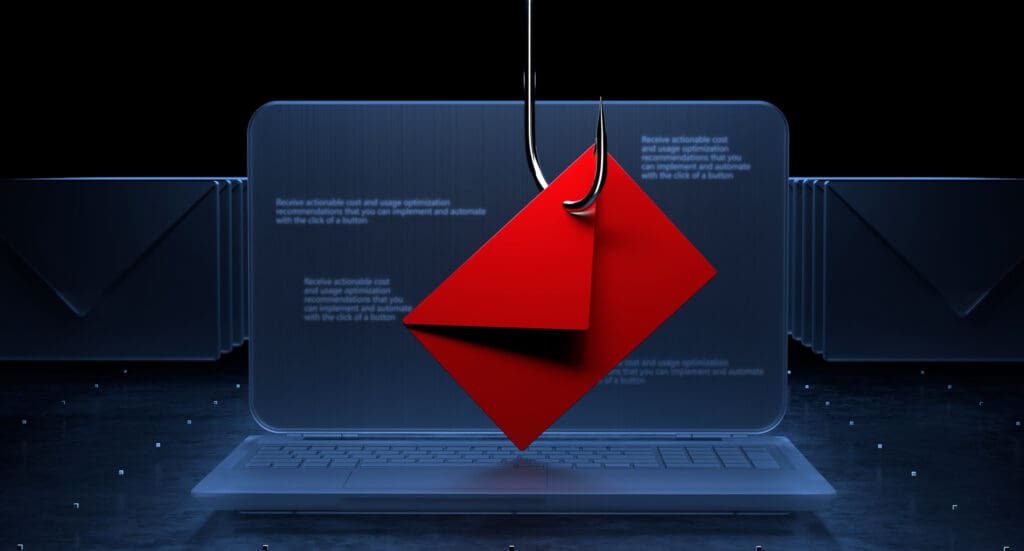



¿Cuántos correos electrónicos sin leer hay en su bandeja de entrada? ¿Cuántos son boletines informativos, correos promocionales o peticiones para recaudar fondos que nunca leerás?
Four billion people in the world use email on a regular basis for essential communication. Our inboxes are fertile ground for cybercriminals, as an unencrypted email system invites phishing attacks and social engineering tactics to steal sensitive information.
Aquí es donde entra en juego la criptografía.
The Secure/Multipurpose Internet Mail Extensions (S/MIME) standard provides a robust solution for securing email using digital certificates to encrypt and sign messages, protecting them from being opened by anyone other than the intended recipient and confirming their authenticity. Safeguarding email communications requires the digital trust powered by public key infrastructure (PKI); here we’ll dig into what S/MIME is, what it does, and the certificate management considerations to keep in mind when implementing this standard in your organization.
¿Qué es S/MIME y por qué debería importarme?
S/MIME is a specific cryptographic standard for sending encrypted and digitally-signed email messages using PKI. When you send an email using S/MIME, the content of the email is encrypted with the recipient’s public key, so only the intended recipient can decrypt and read the message. Additionally, S/MIME enables digital signatures using the sender’s private key to verify the sender’s identity and confirm the message was not tampered with in transit.
S/MIME is a powerful defense mechanism against phishing attacks and other email-based threats. Email encryption protects sensitive information from unauthorized access, even if the email is intercepted by bad actors. Digital certificate signatures add sender verification, giving recipients confidence the email didn’t come from an imposter.
Beyond improving email security for end users, S/MIME plays a crucial role in helping organizations meet regulatory requirements. Compliance with standards like PCI DSS, GDPR, and HIPAA often require robust security measures to protect sensitive data. S/MIME encryption and digital signature capabilities can provide an additional layer of security for email communications to any overall security policy for your organization.
Evolución y mejoras de S/MIME
Al igual que la tecnología evoluciona constantemente, también deben hacerlo las normas criptográficas como S/MIME. Las mejoras responden a la creciente sofisticación de ciberamenazas como el phishing y a las necesidades cambiantes de las organizaciones de cumplir estrictas normas de seguridad.
New standards for S/MIME took effect in September 2023 requiring the use of stronger encryption algorithms with longer key lengths. Enhanced encryption algorithms make it increasingly difficult for unauthorized parties to access sensitive information. On the digital signature side, more robust authentication is now required for a successful handshake–more layers of security to verify sender identity.
As protocols and standards improve, modern email clients have grown to match. Email platforms like Apple Mail, Microsoft Exchange, Outlook, and Gmail now offer built-in support for S/MIME, making it easier for users to send encrypted and digitally signed emails directly from their preferred email client. Seamless S/MIME integration empowers organizations to implement S/MIME without disrupting existing workflows, enhancing security without sacrificing ease of use.
Otra mejora clave de S/MIME son los recibos firmados, que permiten a los remitentes de correos electrónicos protegidos recibir confirmación de la entrega al destino previsto. Inspirado en el correo certificado, el propio recibo está firmado digitalmente mediante su propio proceso de autenticación, lo que demuestra que el mensaje ha llegado a la bandeja de entrada correcta. ¿Una ventaja particular de esta capa de seguridad? Es fácil de implantar y difícil de penetrar, lo que añade resistencia a un entorno de correo electrónico sin aumentar la complejidad.
S/MIME has also expanded its validation options for digital certificates, offering more flexibility in how organizations verify the identity of email users. Certificates now come in varying levels of validation from basic domain validation to more rigorous extended validation (EV), which confirms the sender’s identity through multiple verification steps. This flexibility allows organizations to choose the appropriate level of security based on their specific needs, whether they require basic email protection or need to meet stringent regulatory requirements. These enhancements and flexibility make S/MIME a powerful tool for protecting sensitive information, verifying sender identity, and maintaining compliance with evolving security standards.
Mejores prácticas de gestión de certificados S/MIME
Implementing S/MIME to secure email communications is crucial to safeguarding sensitive information, but it’s only as effective as the management practices in place. Like all digital certificates, S/MIME requires diligent tracking and automation for effective certificate management. Some essential best practices for managing your S/MIME certificates:
- Track and automate certificate management. S/MIME certificates must be actively managed to prevent lapses that could expose your organization to risk. Automated certificate tracking can help make sure certificates are renewed before they expire and that you maintain visibility over your entire certificate landscape.
- Protect! Private! Keys! The security of S/MIME certificates hinges on the protection of private keys. These keys must be securely stored and access to them strictly controlled. Use role-based access to prevent unauthorized personnel from accessing or managing these keys.
- Backups, backups, backups. Regular backups of private keys and certificates are essential to a quick recovery from data loss or corruption. Backing up these critical components prevents disruptions to your S/MIME implementation and allows encrypted emails to be decrypted and verified even in the event of a failure. (These backups should also be stored securely, similar to private keys.)
- Configure email clients to do the hard work for you. Misconfigurations can lead to emails sent without encryption or a digital signature, undermining the security benefits of S/MIME. Regularly audit email configurations, and make updates to the components of your environment (email clients, servers, security software) to protect systems against newly discovered vulnerabilities. Neglecting updates leaves your organization exposed to threats and compromises the effectiveness of your S/MIME implementation.
- Educate and train towards a culture of cybersecurity. Even with the best technical measures in place, user awareness is a critical component of cybersecurity. Educate users about recognizing phishing attempts, the role of digital signatures, and why encryption matters. Users should be trained to spot the red flags and report suspicious or unsigned emails for a culture of safety and security in your organization.
Cumplir las buenas prácticas es como ir al médico a hacerse revisiones periódicas. Aproveche todas las oportunidades para abordar posibles problemas antes de que se conviertan en importantes y prepárese un proceso y una planificación para el éxito cuando surjan problemas graves.
Una buena gestión de la ICP es esencial para la ciberresiliencia
Asegurar las comunicaciones por correo electrónico con S/MIME es un elemento vital para proteger a su organización contra ataques de phishing, ingeniería social e incumplimiento de normativas. Sin embargo, la eficacia de S/MIME depende de una gestión adecuada de los certificados, la protección de las claves y la formación de los usuarios.
Configuring your S/MIME implementation protocols and managing your PKI infrastructure can feel like a lot, and it is. But you don’t have to go it alone! PKI-as-a-service (PKIaaS) from Keyfactor brings the power of automated certificate management within reach, and in the world of cybersecurity, it’s always nice to have a trusted partner to rely on. Keyfactor’s PKIaaS solution simplifies the complexity of S/MIME certificate management by providing automated tracking, robust key management, and seamless integration with your existing infrastructure.
Take control of your email security today with Keyfactor and add PKI health to the cyber resilience of your organization.
Suscríbase a The Source
Stay secure with Keyfactor's monthly newsletter, packed with expert insights and practical steps for quantum-readiness.
Continuar leyendo
Solución de errores de certificados autofirmados en la cadena de certificados
Leer más
Cómo empezar con la automatización de certificados
Leer más