
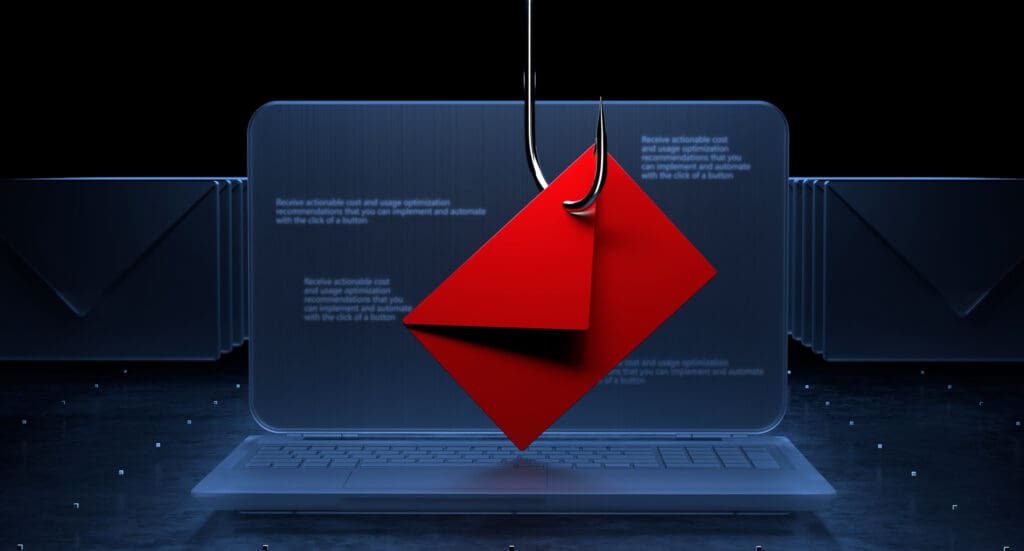



Combien de courriels non lus se trouvent dans votre boîte de réception ? Combien sont des lettres d'information, des courriels promotionnels ou des appels de fonds que vous ne lirez jamais ?
Four billion people in the world use email on a regular basis for essential communication. Our inboxes are fertile ground for cybercriminals, as an unencrypted email system invites phishing attacks and social engineering tactics to steal sensitive information.
C'est là que la cryptographie entre en jeu.
The Secure/Multipurpose Internet Mail Extensions (S/MIME) standard provides a robust solution for securing email using digital certificates to encrypt and sign messages, protecting them from being opened by anyone other than the intended recipient and confirming their authenticity. Safeguarding email communications requires the digital trust powered by public key infrastructure (PKI); here we’ll dig into what S/MIME is, what it does, and the certificate management considerations to keep in mind when implementing this standard in your organization.
Qu'est-ce que S/MIME et pourquoi devrais-je m'en préoccuper ?
S/MIME is a specific cryptographic standard for sending encrypted and digitally-signed email messages using PKI. When you send an email using S/MIME, the content of the email is encrypted with the recipient’s public key, so only the intended recipient can decrypt and read the message. Additionally, S/MIME enables digital signatures using the sender’s private key to verify the sender’s identity and confirm the message was not tampered with in transit.
S/MIME is a powerful defense mechanism against phishing attacks and other email-based threats. Email encryption protects sensitive information from unauthorized access, even if the email is intercepted by bad actors. Digital certificate signatures add sender verification, giving recipients confidence the email didn’t come from an imposter.
Beyond improving email security for end users, S/MIME plays a crucial role in helping organizations meet regulatory requirements. Compliance with standards like PCI DSS, GDPR, and HIPAA often require robust security measures to protect sensitive data. S/MIME encryption and digital signature capabilities can provide an additional layer of security for email communications to any overall security policy for your organization.
Evolution et améliorations de S/MIME
La technologie évolue constamment, tout comme les normes cryptographiques telles que S/MIME. Les améliorations apportées répondent à la sophistication croissante des cybermenaces telles que l'hameçonnage et à l'évolution des besoins des organisations qui doivent se conformer à des normes de sécurité rigoureuses.
New standards for S/MIME took effect in September 2023 requiring the use of stronger encryption algorithms with longer key lengths. Enhanced encryption algorithms make it increasingly difficult for unauthorized parties to access sensitive information. On the digital signature side, more robust authentication is now required for a successful handshake–more layers of security to verify sender identity.
As protocols and standards improve, modern email clients have grown to match. Email platforms like Apple Mail, Microsoft Exchange, Outlook, and Gmail now offer built-in support for S/MIME, making it easier for users to send encrypted and digitally signed emails directly from their preferred email client. Seamless S/MIME integration empowers organizations to implement S/MIME without disrupting existing workflows, enhancing security without sacrificing ease of use.
Une autre amélioration majeure de S/MIME est apportée par les accusés de réception signés, qui permettent aux expéditeurs de messages électroniques protégés de recevoir une confirmation de livraison à la destination prévue. S'inspirant du courrier certifié, le reçu lui-même est signé numériquement par le biais de son propre processus d'authentification, ce qui prouve que le courrier électronique est bien arrivé dans la bonne boîte de réception. Un avantage particulier de cette couche de sécurité à mettre en place et à oublier ? Elle est facile à mettre en œuvre et difficile à pénétrer, ajoutant de la résilience à un environnement de messagerie électronique sans en augmenter la complexité.
S/MIME has also expanded its validation options for digital certificates, offering more flexibility in how organizations verify the identity of email users. Certificates now come in varying levels of validation from basic domain validation to more rigorous extended validation (EV), which confirms the sender’s identity through multiple verification steps. This flexibility allows organizations to choose the appropriate level of security based on their specific needs, whether they require basic email protection or need to meet stringent regulatory requirements. These enhancements and flexibility make S/MIME a powerful tool for protecting sensitive information, verifying sender identity, and maintaining compliance with evolving security standards.
Meilleures pratiques en matière de gestion des certificats S/MIME
Implementing S/MIME to secure email communications is crucial to safeguarding sensitive information, but it’s only as effective as the management practices in place. Like all digital certificates, S/MIME requires diligent tracking and automation for effective certificate management. Some essential best practices for managing your S/MIME certificates:
- Track and automate certificate management. S/MIME certificates must be actively managed to prevent lapses that could expose your organization to risk. Automated certificate tracking can help make sure certificates are renewed before they expire and that you maintain visibility over your entire certificate landscape.
- Protect! Private! Keys! The security of S/MIME certificates hinges on the protection of private keys. These keys must be securely stored and access to them strictly controlled. Use role-based access to prevent unauthorized personnel from accessing or managing these keys.
- Backups, backups, backups. Regular backups of private keys and certificates are essential to a quick recovery from data loss or corruption. Backing up these critical components prevents disruptions to your S/MIME implementation and allows encrypted emails to be decrypted and verified even in the event of a failure. (These backups should also be stored securely, similar to private keys.)
- Configure email clients to do the hard work for you. Misconfigurations can lead to emails sent without encryption or a digital signature, undermining the security benefits of S/MIME. Regularly audit email configurations, and make updates to the components of your environment (email clients, servers, security software) to protect systems against newly discovered vulnerabilities. Neglecting updates leaves your organization exposed to threats and compromises the effectiveness of your S/MIME implementation.
- Educate and train towards a culture of cybersecurity. Even with the best technical measures in place, user awareness is a critical component of cybersecurity. Educate users about recognizing phishing attempts, the role of digital signatures, and why encryption matters. Users should be trained to spot the red flags and report suspicious or unsigned emails for a culture of safety and security in your organization.
Adhérer aux meilleures pratiques, c'est comme aller chez le médecin pour des examens médicaux réguliers. Saisissez toutes les occasions d'aborder les problèmes éventuels avant qu'ils ne prennent de l'ampleur et mettez en place un processus et une planification qui vous permettront de réussir lorsque des problèmes graves surviendront.
Une bonne gestion du site PKI est essentielle pour la cyber-résilience
La sécurisation des communications par courrier électronique à l'aide de S/MIME est un élément essentiel de la protection de votre organisation contre les attaques par hameçonnage, l'ingénierie sociale et la non-conformité aux réglementations. Cependant, l'efficacité de S/MIME repose sur une bonne gestion des certificats, la protection des clés et la formation des utilisateurs.
Configuring your S/MIME implementation protocols and managing your PKI infrastructure can feel like a lot, and it is. But you don’t have to go it alone! PKI-as-a-service (PKIaaS) from Keyfactor brings the power of automated certificate management within reach, and in the world of cybersecurity, it’s always nice to have a trusted partner to rely on. Keyfactor’s PKIaaS solution simplifies the complexity of S/MIME certificate management by providing automated tracking, robust key management, and seamless integration with your existing infrastructure.
Take control of your email security today with Keyfactor and add PKI health to the cyber resilience of your organization.
S'abonner à La Source
Stay secure with Keyfactor's monthly newsletter, packed with expert insights and practical steps for quantum-readiness.
Lire la suite
Certificats numériques conformes à la norme X.509 et leur utilisation
En savoir plus
Au-delà des processus manuels : Les avantages de l'automatisation du renouvellement des certificats
En savoir plus