


Le Digital Trust Digest est une synthèse de l'actualité de la semaine en matière de cybersécurité. Voici ce qu'il faut savoir cette semaine.


Selon Gartner, le Web3 va favoriser l'adoption de l'identité décentralisée
Toute innovation majeure dans le domaine des réseaux ou de l'informatique entraîne l'apparition d'un nouvel écosystème de technologies et de pratiques de gestion des identités et des accès - et ces écosystèmes sont souvent en conflit. Selon Gartner, Web3 et son approche décentralisée de l'identité pourraient améliorer l'efficacité, la confidentialité et la sécurité de nos systèmes.
At the Gartner Identity & Access Management Summit, a Gartner VP Analyst posited that in Web3, identity wallets will take the place of internet browsers as a point of entry into the web. The challenges are two-fold — achieving a standardized universal wallet and creating interoperability between Web2 and Web3 protocols.
To see how decentralized identity may be the future, SDxCentral has the rundown.

Le code source de Twitter divulgué sur GitHub
Selon une demande de retrait du Digital Millennium Copyright Act déposée samedi, une partie du code source propriétaire de Twitter est accessible au public sur GitHub depuis le 3 janvier, soit près de trois mois entiers.
While it’s unclear whether the leak poses risks for Twitter users, the breach indicates continued volatility within the company. However, Twitter is hardly the only big name to suffer a source code leak in recent memory. Samsung, Uber, and others fell victim to compromised source code last year.
While many instances involve malicious actors, others happen simply due to the complexity of working with git, CI/CD, and a sprawling number of repositories. DarkReading gives you the complete ins and outs of source code incidents, so you can protect yours.

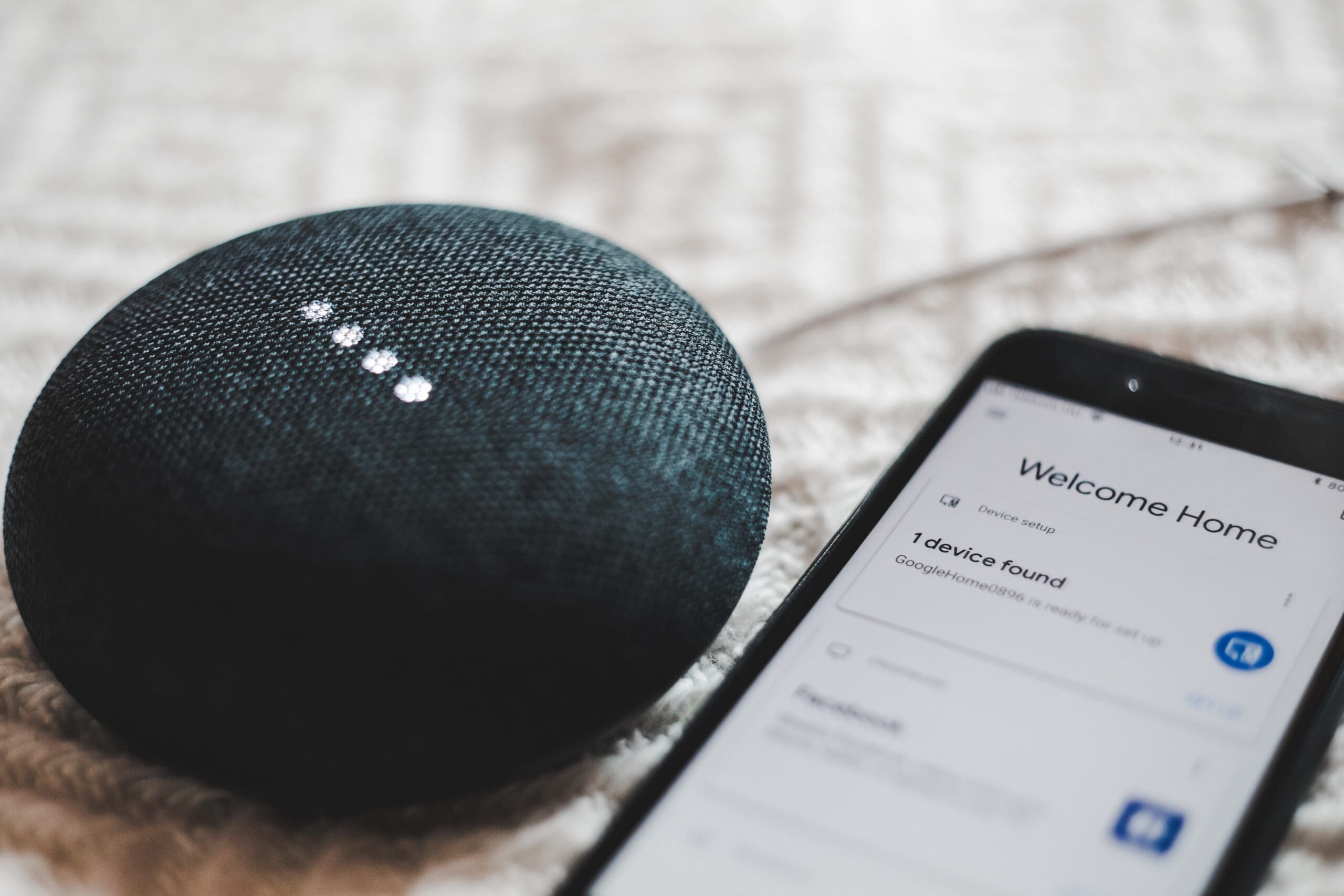

À la lumière de la norme Matter, Wemo repense sa stratégie en matière de maison intelligente
Wemo, Belkin’s smart home company, has paused the development of Matter-supported smart home devices. While Wemo has designed and updated a few products to use Thread, the primary wireless protocol beneath the Matter standard, these products will only work with Apple HomeKit. This skirts the Matter standard’s promise of universal smart home platform compatibility.
Belkin/Wemo conçoivent généralement des produits qui répondent aux spécifications de sécurité plus rigides d'Apple, mais cela augmente leur prix par rapport aux appareils moins sécurisés de la poubelle IoT . Cela peut indiquer à quel point il est difficile de positionner la sécurité comme un facteur de différenciation des produits.
While other big names like Samsung, Google, and Amazon are forging partnerships for special onboardings between their ecosystems, Apple hasn’t been so eager to play. It just goes to show how difficult a universal standard is to implement. For all of the IoT drama, Verge has the scoop.

Forrester s'exprime sur la stratégie nationale de cybersécurité de la Maison Blanche
Earlier this month, the White House announced the Biden administration’s National Cybersecurity Strategy. The strategy identifies five key pillars that enable a cyber-secure future, including the modernization of critical infrastructure, taking the offensive against threat actors, and forging international partnerships, among others.
For the Forbes Tech Council, Forrester broke down each pillar and the strategic objectives within them to parse actionable insights about what these initiatives will mean for enterprises and how security leaders can consider the strategy against their own goals.



Google entend réduire le cycle de vie des certificats TLS de plus de 75 %.
In its “Moving Forward, Together” roadmap, Google announced its intention to reduce the lifecycle for public TLS certificates from 398 days to 90 days. For many organizations, the process of managing and renewing certificates is tedious and time-consuming already. Increasing the certificate maintenance burden by 4x would spell disaster.
Google pourrait procéder à cette modification sous la forme d'une mise à jour de sa politique ou d'une proposition de vote du forum des autorités de certification et des navigateurs, mais ce n'est pas nécessaire. Google n'a besoin d'aucune autorisation pour mettre à jour le programme racine de Chrome, et Chrome détient une telle part de marché que toutes les autorités de certification publiques commerciales seraient pratiquement obligées de l'accepter.
Google didn’t specify a timeline for this change, but DarkReading guesstimates the end of 2024. As the full piece indicates, there’s plenty of time to adapt but not a second to waste.
S'abonner à La Source
Stay secure with Keyfactor's monthly newsletter, packed with expert insights and practical steps for quantum-readiness.
Lire la suite

L'évolution de la confiance numérique
En savoir plus
5 raisons pour lesquelles Keyfactor Tech Days est l'événement de l'année en matière de sécurité
En savoir plus